
Water stewardship is a critical ESG issue for the mining sector, particularly in water-stressed regions of Australia. Mining operations can affect water quality, quantity, and availability for local communities and ecosystems. Under ASRS and international frameworks, mining companies must disclose water-related risks and demonstrate responsible water management practices.
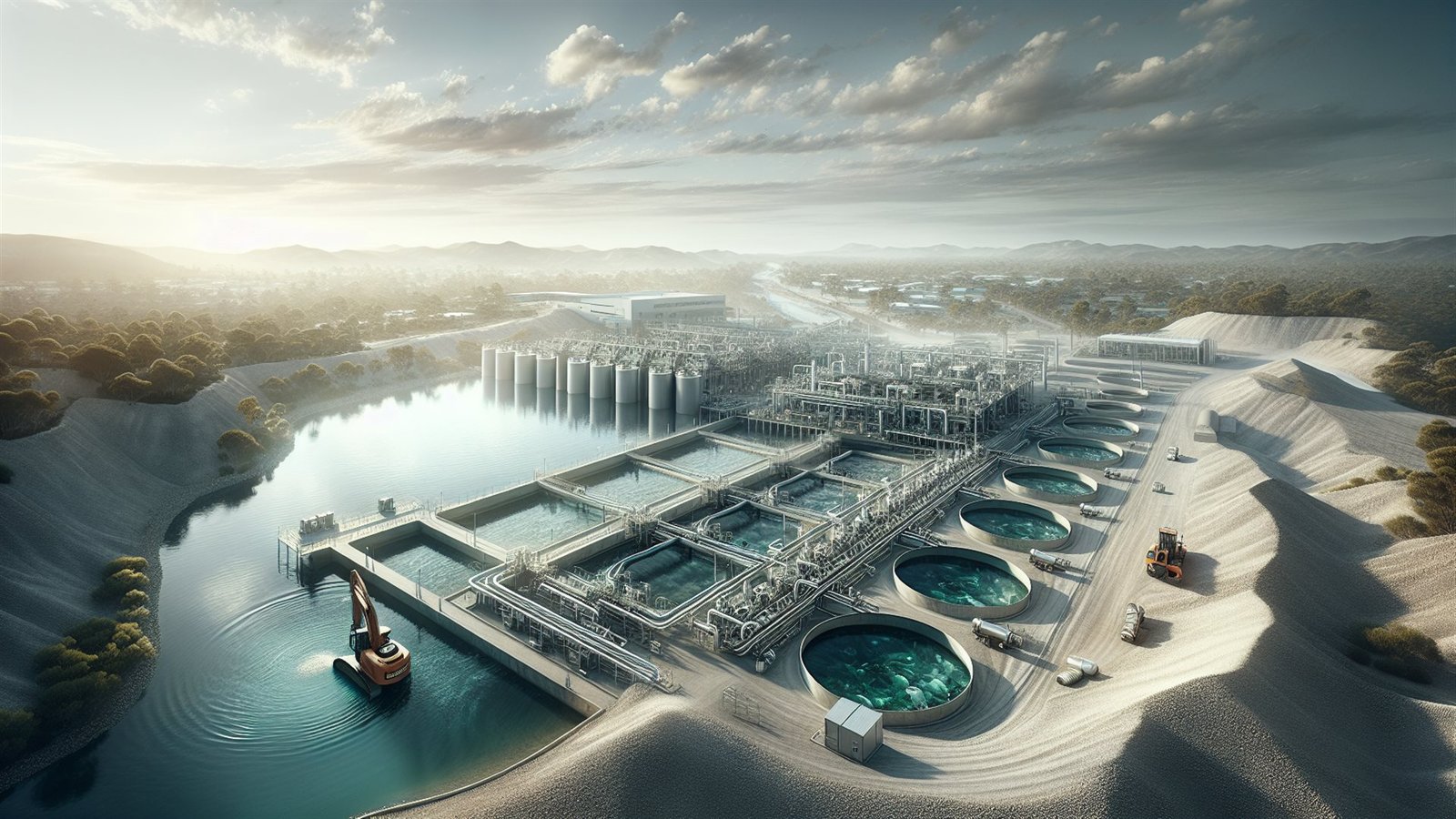
Water Stewardship in Mining Context
Water is a fundamental resource for mining operations and surrounding communities. Mining activities can impact water resources through consumption, contamination, dewatering, and ecosystem disruption. Effective water stewardship addresses both operational needs and stakeholder expectations while meeting regulatory requirements.
For Australian miners, water stewardship is particularly significant given the continent’s climate variability and the importance of water for Aboriginal cultural heritage, agricultural communities, and regional settlements.
Water-Related Impacts from Mining
Water Withdrawal and Consumption
Mining operations withdraw water for multiple purposes:
- Processing: Ore beneficiation, crushing, grinding, and flotation
- Extraction: Dewatering of mine workings
- Dust suppression: Road and stockpile watering
- Domestic use: Accommodation and operational needs
The scale of withdrawal varies by commodity and mining method. Open pit mines typically require less processing water than underground operations, but total withdrawal depends on the specific mining and processing configuration.
Water Quality Impacts
Mining can affect water quality through:
- Acid mine drainage: Sulphide oxidation creating acidic runoff
- Heavy metal contamination: Leaching from ore and waste rock
- Process chemicals: Cyanide, xanthates, and other flotation reagents
- Suspended solids: Sediment from erosion and runoff
- Salinity: Evaporation and concentration of dissolved solids
Water Availability Impacts
Large-scale water withdrawal can reduce availability for:
- Downstream ecosystems: Environmental flows for rivers and wetlands
- Traditional owners: Cultural water needs for Aboriginal communities
- Agriculture: Irrigated farming and pastoral operations
- Town water supplies: Municipal and domestic water sources
Water Stewardship Frameworks
AWS Water Stewardship Standard
The Alliance for Water Stewardship (AWS) provides an international framework for water stewardship. The AWS Standard includes five outcomes:
- Good water governance: Stakeholder engagement and transparent decision-making
- Sustainable water balance: Water use that maintains catchment conditions
- Good water quality status: Discharge that maintains or improves water quality
- Important water-related areas: Protection of high-conservation-value areas
- Safe water, sanitation and hygiene (WASH): Access to water and sanitation for workers and communities
AWS certification demonstrates commitment to leading practice in water stewardship and is increasingly required by investors and major customers.
ICMM Water Stewardship Position Statement
The International Council on Mining & Metals (ICMM) has established water stewardship commitments for member companies:
- Water use at mines contributes to the sustainable management of catchment water resources
- No net loss of environmental and social values from water use at mines
- Water use is transparent, efficient, and accountable
ICMM members also commit to implementing the AWS Standard at mining sites in water-stressed catchments.
Water Stewardship Practices
Water Efficiency and Conservation
Reducing freshwater withdrawal:
- Water recycling: Reusing process water within the operation
- Treatment for reuse: Treating water to enable recycling rather than discharge
- Process efficiency: Optimising water use in beneficiation circuits
- Dry processing: Where feasible, dry crushing and screening
- Technology upgrades: Replacing water-intensive equipment with efficient alternatives
Alternative Water Sources
Reducing dependence on freshwater:
- Seawater: Coastal mines using ocean water for processing
- Wastewater: Using treated sewage from nearby towns
- Brackish water: Subsurface saline water not suitable for other uses
- Pit water: Dewatering water reused in processing
Water Treatment and Discharge
Ensuring discharge meets water quality objectives:
- Treatment selection: Reverse osmosis, ion exchange, biological treatment
- Monitoring: Real-time water quality monitoring systems
- Adaptive management: Adjusting treatment based on upstream conditions
- Zero liquid discharge: Where feasible, eliminating discharge through evaporation or deep well injection
Water Stewardship Risk Assessment
Step 1: Water Context Assessment
Understand the catchment water context:
- Catchment water balance: Water availability and demand across all users
- Water stress: Water scarcity and competition for resources
- Water quality: Baseline conditions and degradation trends
- Aquatic ecosystems: Environmental water requirements
- Social context: Water dependency of local communities
Step 2: Stakeholder Mapping
Identify water-related stakeholders:
- Aboriginal Traditional Owners with cultural water interests
- Downstream water users (farmers, pastoralists, towns)
- Environmental regulators and catchment management authorities
- Adjacent landholders
- Industry associations
- Investors and financiers with water mandates
Step 3: Risk Assessment
Assess water-related risks:
| Risk Type | Description |
|---|---|
| Physical | Drought, water scarcity limiting operations |
| Regulatory | Changes to water access, discharge licences |
| Reputational | Community backlash over water use |
| Market | Customer water requirements restricting market access |
| Liability | Clean-up costs for contamination events |
Water Stewardship Under ASRS
While ASRS focuses on climate-related disclosures, water stewardship intersects with several ASRS requirements:
Physical Climate Risks
Climate change affects water availability and exacerbates physical climate risks for mining operations:
- Rainfall variability changes affecting water security
- More frequent droughts stressing water-dependent processing
- Extreme rainfall events overwhelming water treatment capacity
- Shifts in seasonal availability affecting operational planning
Risk Management
ASRS governance and strategy disclosures should address:
- Water-related physical risks as part of climate risk assessment
- Integration of water stewardship into risk management processes
- Water quality and quantity monitoring and management
- Stakeholder engagement on water-related physical risks
Water Stewardship Metrics
Comprehensive water stewardship reporting includes:
- Withdrawal: Total volume withdrawn by source
- Consumption: Volume consumed (not returned to catchment)
- Recycling rate: Percentage of water reused within operations
- Discharge volume: Total treated water discharged
- Discharge quality: Contaminant concentrations vs. licence limits
- Alternative water use: Volume from non-fresh sources
- Water intensity: Litres per tonne of production
Water Data Collection
Build reliable water accounting systems:
- Install metering at all significant water intake points
- Calibrate meters regularly
- Track water balance through the processing chain
- Reconcile withdrawals against consumption and discharge
- Document assumptions and estimation methods
ESG Solutions Australia Water Stewardship Support
ESG Solutions Australia provides water stewardship support for mining operations:
- Water context assessment and catchment analysis
- Water stewardship risk assessment and materiality analysis
- AWS Standard implementation and certification support
- Water monitoring system design and implementation
- Stakeholder engagement and Traditional Owner consultation
- Water-related ASRS disclosure preparation
Contact ESG Solutions Australia for mining water stewardship support.
Key Takeaways
- Critical resource: Water is essential for mining and communities
- Multiple impacts: Withdrawal, quality, and availability effects must be managed
- Framework alignment: AWS Standard and ICMM commitments guide practice
- Risk integration: Water-related physical risks align with ASRS requirements
- Transparency required: Stakeholders expect disclosure of water stewardship performance
Explore our ESG Reporting for Mining and Mining Scope 3 Emissions guides for comprehensive mining ESG guidance.